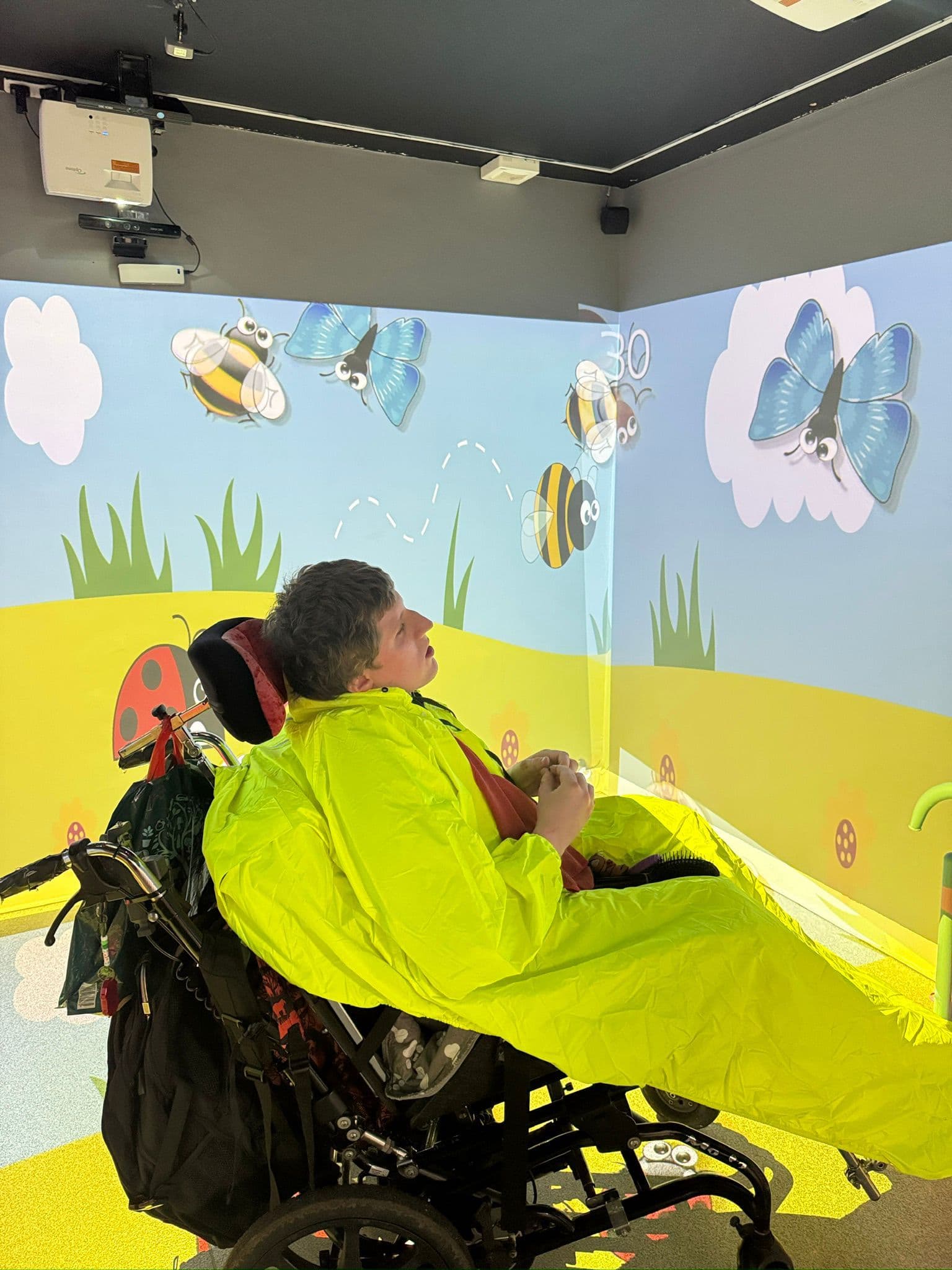
At Every Sensation, you'll often hear laughter echoing through the building. Children cooking, splashing, drumming, painting, and bouncing — it looks like fun, and it is. But behind every activity is a carefully designed therapeutic purpose.
Play Is How Children Learn
Research consistently shows that play is the primary vehicle for learning in childhood. Through play, children develop:
- Physical skills — coordination, strength, balance, and fine motor control
- Cognitive skills — problem-solving, cause and effect, planning, and sequencing
- Social skills — sharing, turn-taking, negotiation, and empathy
- Emotional skills — expressing feelings, coping with frustration, and building resilience
- Communication skills — vocabulary, conversation, and non-verbal expression
Play and Children with Additional Needs
For children with sensory processing differences, autism, physical disabilities, or developmental delays, accessing play can be more challenging. They may need adapted equipment, extra support, or a different approach to the same activities.
This is where our team excels. We adapt activities so that every child can participate meaningfully, regardless of their abilities. A child who can't hold a paintbrush might paint with a sponge strapped to their hand. A child who can't tolerate group noise might cook in a quieter, one-to-one setting.
Our Play-Based Approach
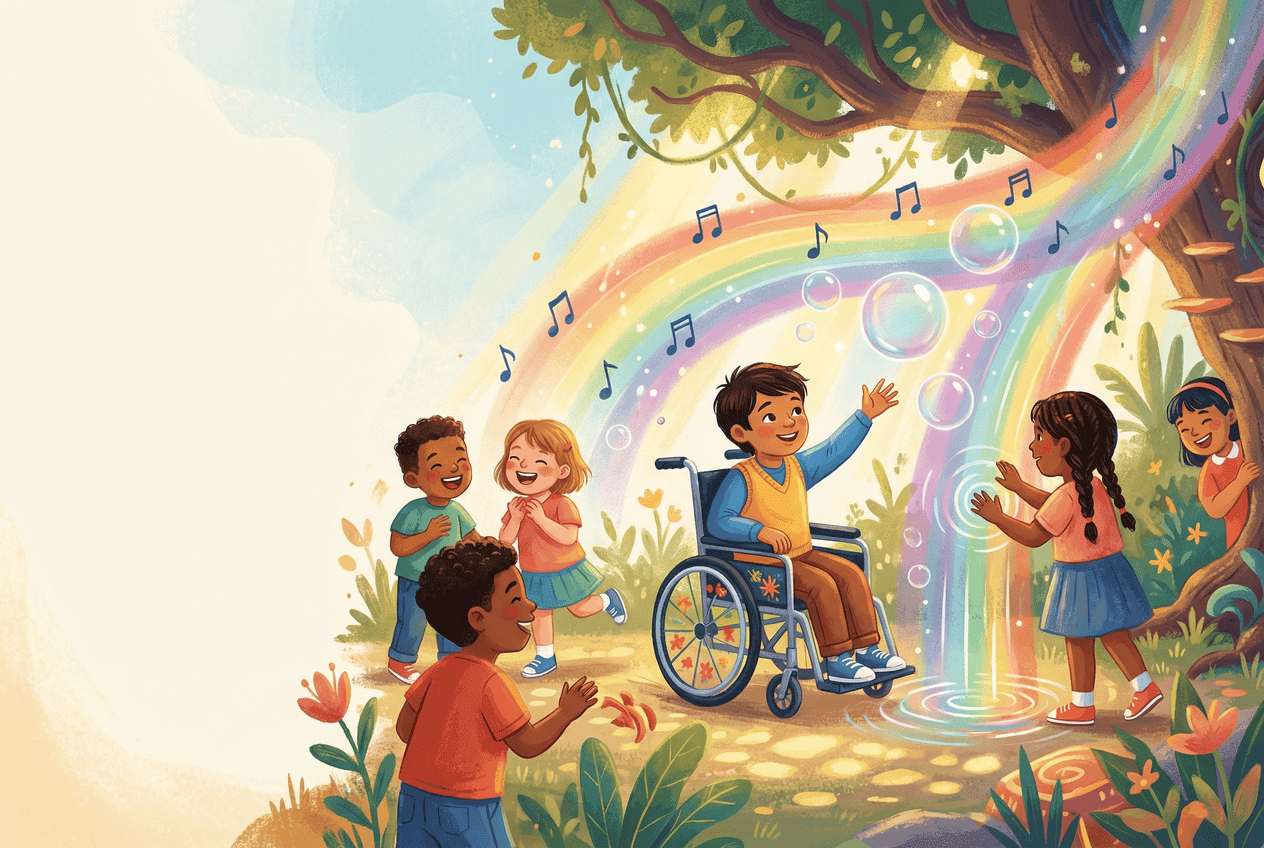
We follow the child's lead wherever possible. If a child is drawn to water play, we use that interest to build motor skills, sensory tolerance, and interaction. If they love music, we use rhythm and song to develop communication and coordination.
This isn't permissive — it's strategic. By meeting children where they are and working with their motivations, we create the conditions for genuine progress.
What Parents Can Do
The best thing you can do is play with your child. Not structured "educational" play, but genuine, child-led play where you follow their interests and join in their world.
- Get on the floor and follow their lead
- Resist the urge to direct or correct
- Comment on what they're doing rather than asking questions
- Have fun — your enjoyment is contagious
Play is never wasted time. It's the most important work your child will do.