What Happens in a Rebound Therapy Session? Inside Our Trampoline Room
Category: Therapies, Activities
Keywords: rebound therapy explained, trampoline therapy benefits, movement therapy children, rebound therapy UK, physiotherapy trampoline
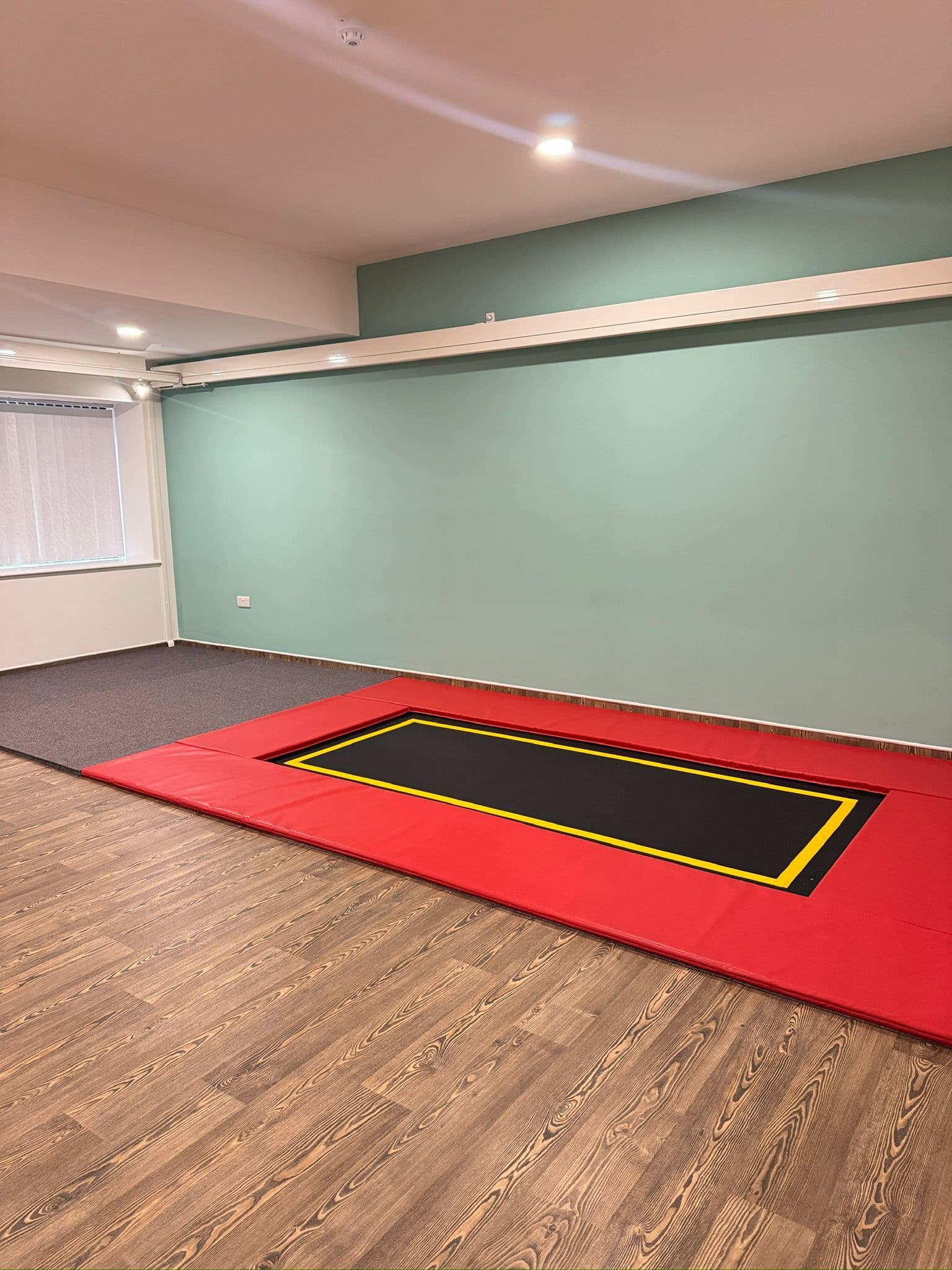
Walk past our trampoline room at Every Sensation and you'll hear laughter, see joyful movement, and witness children achieving things they didn't think possible. But rebound therapy is so much more than "just bouncing."
Let's take you behind the scenes of what actually happens during a rebound therapy session, why this specialist therapeutic approach is so effective, and what you can expect if your child tries it.
What Actually Is Rebound Therapy?
First things first: Rebound therapy isn't just trampolining.
It's a specialized therapeutic approach using a trampoline to provide opportunities for movement, therapeutic exercise, and recreation. It was developed specifically to benefit individuals with additional needs, particularly those with movement difficulties, learning disabilities, or sensory processing differences.
The therapy was pioneered by physiotherapist E.G. Anderson in the 1970s and has since become recognized as a valuable intervention used in special schools, therapy centers, and specialist settings across the UK.
Why trampolines?
The unique properties of a trampoline provide:
Reduced gravity effect: Making movements possible that would be difficult on solid groundConstant feedback: Through body contact with the surfaceAdjustable challenge: From gentle bouncing to vigorous movementInherently motivating: Children naturally want to engageWho Benefits from Rebound Therapy?
We see amazing progress with children who have:
Physical Needs
Cerebral palsyDevelopmental coordination disorder (DCD/dyspraxia)Hypotonia (low muscle tone)Motor planning difficultiesBalance and coordination challengesPhysical disabilities affecting mobilitySensory and Neurological Differences
Autism spectrum conditionsSensory processing difficultiesVestibular (balance) system challengesProprioceptive (body awareness) needsADHDCommunication and Learning
Non-verbal communicationLearning disabilitiesConfidence and self-esteem buildingA Typical Session: What Actually Happens
Let me walk you through a real rebound therapy session at Every Sensation:
Before the Session (5-10 minutes)
Preparation
Child removes shoes and any loose itemsVisual schedule showing what to expect (particularly helpful for autistic children)Therapist checks in about how the child is feeling todayBrief warm-up movements on solid groundSetting the Scene
Our trampoline room is:
Spacious with high ceilings for safetyWell-lit but not overwhelmingQuiet apart from any music the child enjoysFree from visual distractionsThe Beginning (First 10 minutes)
Getting Comfortable
Not every child jumps straight on (and that's okay!). Some children:
Watch from the side firstNeed hand-holding to step onPrefer to sit or lie on the trampoline before standingRequest specific reassurances about safetyOur therapist meets every child where they are.
Initial Movement
Starting activities might include:
Sitting bounce: Therapist creates gentle movement while child sitsSupported standing: Child stands with therapist supportCrawling: Exploring the surface on hands and kneesRolling: Experiencing movement in a safe, controlled wayThe goal isn't immediate bouncing — it's building trust and comfort.
The Middle Phase (20-30 minutes)
This is where the magic happens. Depending on the child's needs and goals, we might work on:
For Physical Development:
. Bilateral movement — Using both sides of the body togetherJumping with two feetArms and legs coordinatingBuilding core strength. Balance challenges — Controlled instabilityStanding while therapist bounces gentlyWalking across the trampolineChanging direction or speed. Motor planning — Thinking about and executing movementsSpecific jump patternsStopping and starting on commandCombining movements. Muscle strengthening — Building throughout the bodyMaintaining positionsWorking against resistanceRepeating movementsFor Sensory Integration:
. Vestibular input — Movement and balance informationUp and down motionRotational movementChanges in speed and intensity. Proprioceptive feedback — Body awarenessDeep pressure through landingJoint compression and extensionUnderstanding where the body is in space. Controlled sensory seeking — Meeting sensory needs safelyIntense movement in a supervised wayGradual desensitization to movementLearning to regulate sensory inputFor Confidence and Communication:
. Choice-making — Empowering the child"High bounce or low bounce?""Fast or slow?""Do you want to try...?". Turn-taking — If in a small groupWaiting for your turnCheering others onSharing the space. Achievement — Celebrating successAttempting something challengingMastering a new skillShowing what you can doCool-Down (Final 5-10 minutes)
Gradual transition back to calm:
Slower, gentler bouncesDeep breathing exercisesStretching on the trampolineTime to process the sessionTransition to solid groundPost-session chat:
"What did you enjoy?""What was tricky?"Celebration of achievementsBrief discussion with parent/carerThe Therapeutic Goals: What Are We Actually Achieving?
Beyond the fun, every session has clear therapeutic objectives:
Physical Goals
Improved muscle tone and strengthBetter balance and coordinationIncreased range of motionEnhanced cardiovascular fitnessDevelopment of motor planning skillsSensory Goals
Improved sensory processingBetter body awarenessIncreased tolerance for movementEnhanced vestibular functionRegulated sensory seekingCognitive Goals
Following instructionsSequencing movementsProblem-solving (how to achieve a movement)Memory (remembering routines)Cause and effect understandingEmotional and Social Goals
Increased confidence and self-esteemReduced anxiety about physical activityImproved ability to take risks safelyBetter frustration toleranceEnhanced communication (verbal and non-verbal)Safety: Our Non-Negotiable Priority
You might wonder: "Is it safe?"
Absolutely — when done properly by trained therapists.
Our Safety Measures:
Equipment Standards
Professional-grade therapeutic trampolineRegular safety inspections and maintenanceAppropriate surrounds and safety paddingWeight and height restrictions observedQualified Staff
Rebound therapy certification (RTNA — Rebound Therapy National Association)Pediatric first aid trainedExperience with additional needsOne-to-one or small group supervision onlySession Protocols
Thorough risk assessments for each childClear emergency proceduresAppropriate staff-to-child ratiosPhysical support and spotting as neededIndividual Considerations
Medical contraindications checked (certain conditions require medical clearance)Adapted approach for different needsProgress at each child's paceNever forcing uncomfortable movementsReal Stories: What Parents Notice
"Within weeks, I could see Jamie's core strength improving. Simple things like sitting at the dinner table were easier for him." — Parent of child with hypotonia
"The rebound therapy sessions are the highlight of Zoe's week. She's finally found a physical activity she not only tolerates but actually loves." — Parent of child with sensory processing challenges
"I've watched Alex go from refusing to even step on the trampoline to independently bouncing and laughing. The confidence it's built has transferred to other areas of his life." — Parent of child with cerebral palsy
"For a child who struggles with so many things, rebound therapy is something she's genuinely good at. That sense of achievement is priceless." — Parent of child with learning disabilities
How Often? How Long? The Practical Questions
Session Frequency
Weekly sessions are ideal for:
Building skills progressivelyMaintaining momentumEstablishing routineCreating consistent therapist relationshipFortnightly or monthly can still be beneficial for:
Maintenance of skillsSupplementing other therapiesBudget considerationsChildren who find frequent sessions overwhelmingSession Length
Our standard: 30-45 minutes
Long enough for warm-up, activity, and cool-downNot so long that fatigue becomes an issueAge and ability appropriateAttention span consideredHow Long Until We See Progress?
Honestly? Every child is different.
Some children show immediate joy and engagement (therapeutic benefit in itself). Physical and developmental progress typically becomes noticeable:
Weeks 1-4: Building comfort and confidenceWeeks 4-12: Visible skill developmentMonths 3-6: Significant progress in targeted goals6+ months: Generalization to other areas of lifeCan Parents Watch?
Absolutely!
We encourage it, especially initially. Many children perform better with a parent nearby. Some children, however, focus better when parents step back — we'll figure out what works best for your child.
Parents often tell us:
It helps them understand what their child can achieveThey learn techniques to encourage movement at homeThey get to see joy and success firsthandIt makes conversations with other professionals easier ("you should see what she can do in rebound therapy!")Beyond the Session: Home Carry-Over
While we can't all have trampolines at home (though some families do invest in small ones), the benefits extend far beyond our session:
Skills that transfer:
Improved core strength helps with sitting, standing, and daily tasksBetter body awareness supports dressing, eating, and self-careEnhanced coordination helps with playground activities and sportsIncreased confidence encourages trying new physical challengesWe also provide:
Suggestions for movement activities at homeAdvice on appropriate equipmentStrategies for supporting motor development in daily lifeResources for continuing progress between sessionsCombining Rebound Therapy with Other Support
Rebound therapy works beautifully alongside:
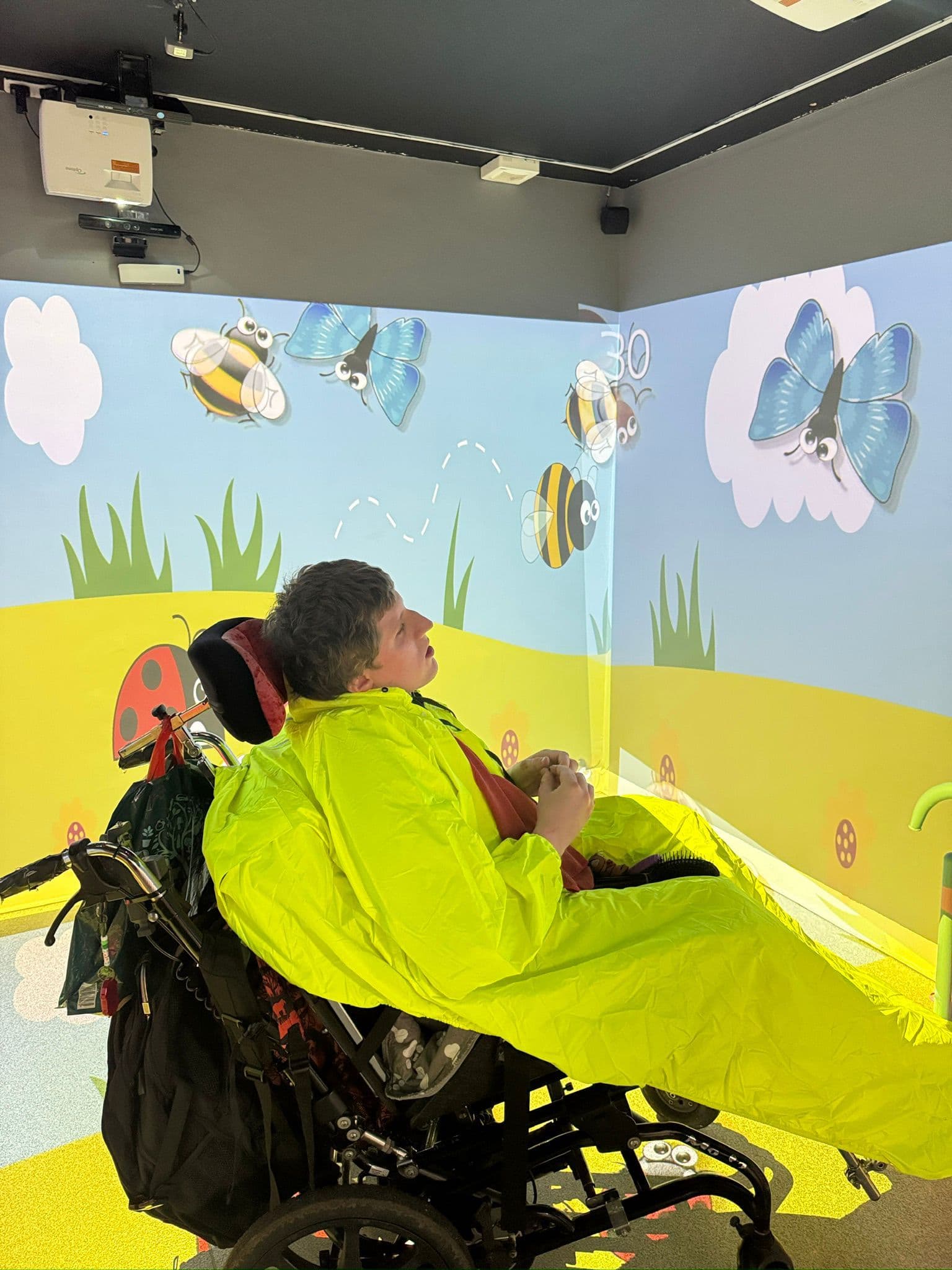
Physiotherapy: Complementing targeted exercisesOccupational therapy: Supporting sensory and motor goalsSpeech and language therapy: Physical movement can enhance communicationHydrotherapy: Another movement-based approach (we offer both!)Sensory room sessions: Addressing multiple needs holisticallyAt Every Sensation, we can coordinate multiple therapies for your child, creating a comprehensive support plan.
Getting Started: What You Need to Know
Before Your First Session
Information we'll need:
Any medical conditions or contraindicationsCurrent physical abilities and challengesSensory preferences or sensitivitiesCommunication style and needsWhat you hope your child will achieveWhat to bring:
Comfortable clothing (stretchy, not restrictive)Socks (no shoes on the trampoline)Water bottleAny comfort items if neededYour First Session Expectations
We'll probably:
Take it slowlyLet your child lead the paceFocus on fun and comfort over achievementAssess informally while playingEnd on a positive noteWe definitely won't:
Force any movement your child resistsExpect immediate progressCompare your child to othersMake it feel like "work" rather than playThe Bottom Line: Why Rebound Therapy Works
After years of running rebound therapy sessions, we've learned this: Movement is powerful, play is therapeutic, and achievement builds on itself.
When children move in ways that feel good, safe, and successful, something shifts. Physical skills develop, yes. But also confidence grows, anxiety reduces, and a sense of "I can do this" emerges.
That's what happens in our trampoline room every week.
Ready to see what rebound therapy could do for your child?
Visit Every Sensation Children Services to see our trampoline room, meet our qualified therapists, and discover whether rebound therapy might be the breakthrough your child needs.
📞 Contact us to arrange a visit
📍 Sutton-in-Ashfield, Nottinghamshire
🦘 Where bouncing becomes therapy, and therapy becomes joy
*No referral needed. No diagnosis required. Just children achieving more than they thought possible.*