

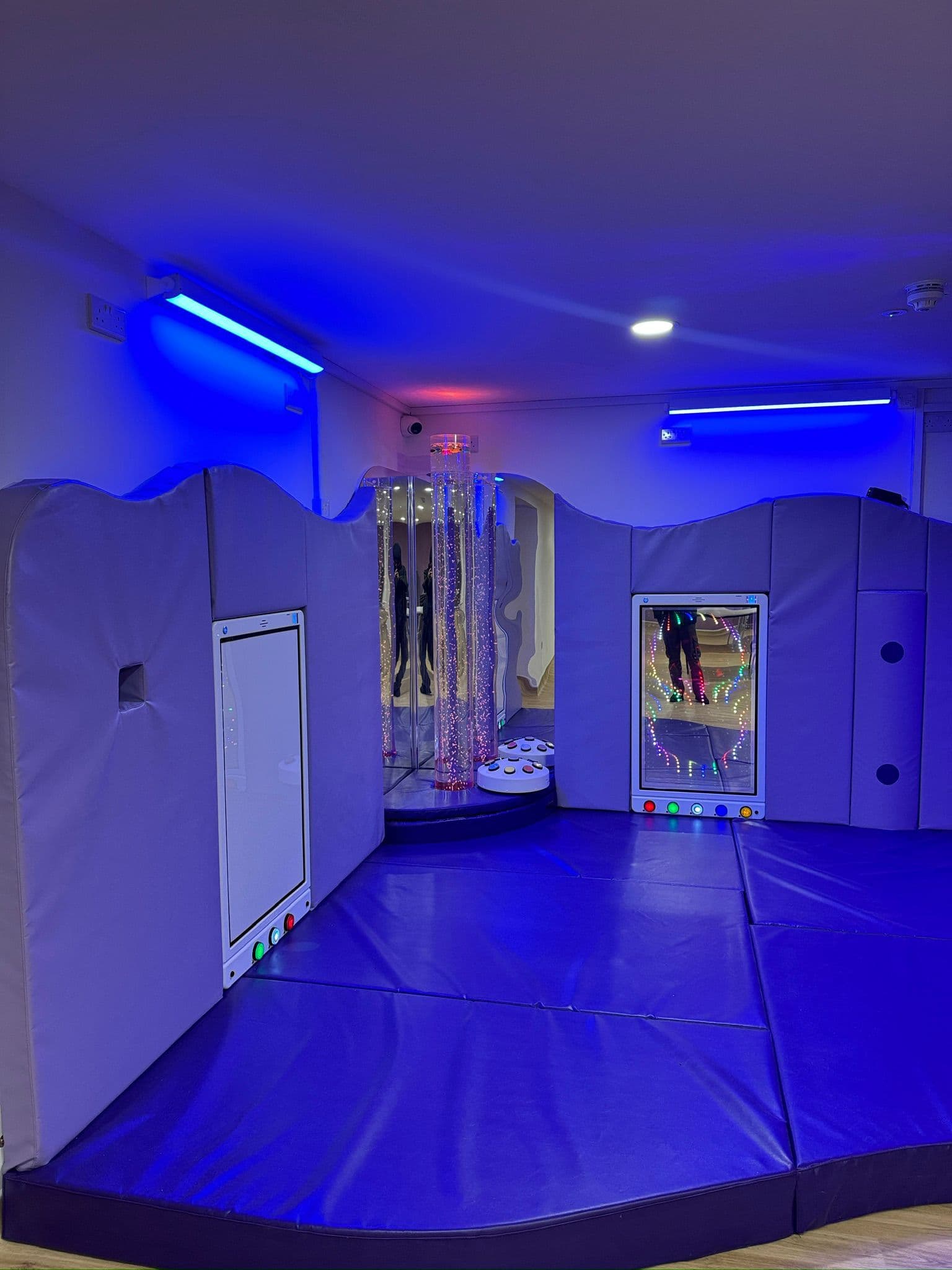
Every child experiences the world through their senses — sight, sound, touch, taste, smell, balance, and body awareness. For most children, the brain processes these inputs automatically. But for some, sensory processing works differently, and everyday experiences can feel overwhelming, confusing, or under-stimulating.
What Is Sensory Processing?
Sensory processing is the way our nervous system receives, organises, and responds to sensory information. It's what allows us to filter out background noise, tolerate the texture of clothing, or maintain balance on uneven ground.
When sensory processing doesn't work as expected, children may be hypersensitive (over-responsive) or hyposensitive (under-responsive) to certain inputs. Some children experience a combination of both.
Signs to Look For
Every child is unique, but some common signs of sensory processing differences include:
- Covering ears or becoming distressed in noisy environments
- Avoiding certain textures in food or clothing
- Seeking intense movement — spinning, jumping, crashing into things
- Difficulty with transitions between activities
- Becoming overwhelmed in busy or bright spaces
- Unusually high or low pain threshold
How You Can Help at Home
Supporting your child's sensory needs doesn't require specialist equipment. Here are some practical strategies:
- Create a calm space — a quiet corner with soft lighting, cushions, and comforting textures where your child can decompress.
- Use visual schedules — predictability reduces anxiety. A simple picture timetable can help your child know what's coming next.
- Offer sensory breaks — short bursts of movement, deep pressure, or quiet time can help regulate their system throughout the day.
- Observe patterns — keep a simple diary of what triggers stress or joy. This helps you and any professionals working with your child.
When to Seek Support
If your child's sensory needs are significantly affecting their daily life, learning, or relationships, it may be helpful to seek an assessment from an occupational therapist. At Every Sensation Children Services, we provide tailored sensory assessments and interventions designed around each child's unique profile.
You're not alone in this — and understanding is the first step towards meaningful support.