Does My Child Need an Autism Diagnosis for Therapy? Understanding Access to Support
Category: Family Resources, Sensory Support
Keywords: therapy without diagnosis, autism assessment UK, early intervention, SEND support without diagnosis, children's therapy access
"We're on an 18-month waiting list for an autism assessment. Does that mean we just have to wait before getting any help?"
This is one of the questions we hear most often at Every Sensation, and the answer might surprise you: No. Your child can access therapeutic support right now, even without a formal diagnosis.
Let's unpack why the diagnosis question is more nuanced than many families realize, and what support is available to you today.
The Diagnosis Dilemma
Why Waiting Lists Are So Long
The reality in 2026 is that NHS autism assessment waiting times across the UK average 12-18 months, with some areas reporting waits of over two years. This creates a heartbreaking situation for families:
Meanwhile, your child is developing, growing, and facing daily challenges. Those months and years matter.
What Different Services Actually Require
NHS Services
Usually require diagnosis:
Available without diagnosis:
The key is that NHS services focus on clinical need, not always on labels.
Educational Support
Your child's school or nursery can provide:
An Education, Health and Care Plan (EHCP) can be requested and granted based on need, even while diagnostic assessments are ongoing.
Important: Schools cannot refuse support simply because "there's no diagnosis yet." The 2014 SEND Code of Practice is clear that support should be based on need.
Private Therapy Services
This is where things get interesting. Most private therapy services, including Every Sensation, don't require any formal diagnosis at all.
We, and many other private providers, work on a simple principle: If your child is struggling, we can help.
Why We Don't Require a Diagnosis
Labels Don't Always Help Therapy
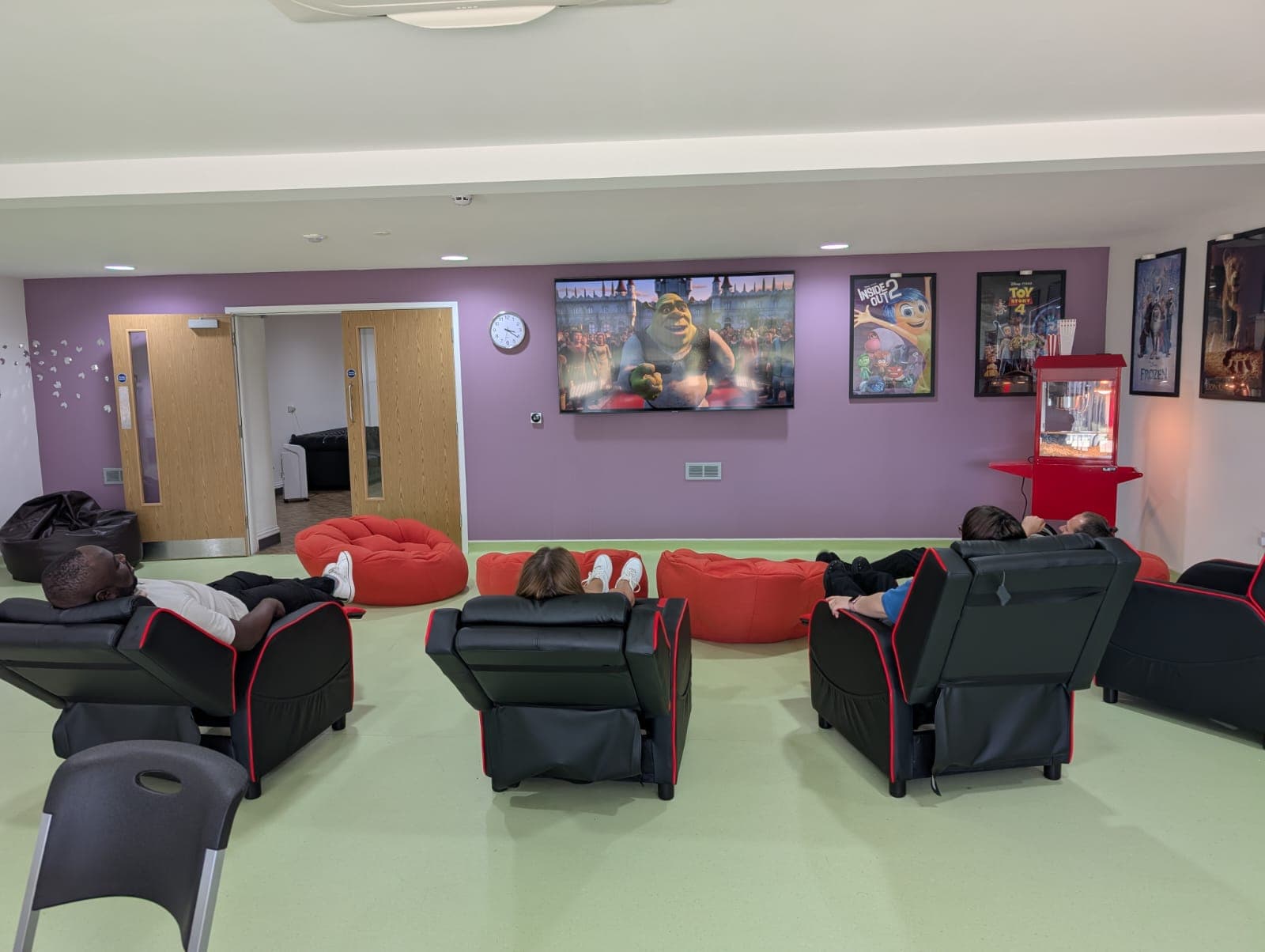
When a child comes to our sensory room, hydrotherapy pool, or creative spaces, what matters is:
Whether they have a piece of paper saying "autism" or "sensory processing disorder" or anything else doesn't change how we approach their individual needs.
Every Child Is Unique
Two children with identical autism diagnoses can have completely different needs, interests, and responses to therapy. Conversely, two children without any formal diagnosis might benefit from similar supports.
We focus on the child in front of us, not the label in their file.
Early Intervention Matters
Research consistently shows that early support makes a significant difference to outcomes. Waiting 18 months for diagnosis before starting support means:
Why wait when support is available now?
The Benefits of Getting Support While Waiting
For Your Child
Immediate benefits include:
For Your Family
Parents tell us:
For the Diagnostic Process
Interestingly, attending therapy can actually help the diagnostic process. When you eventually reach assessment, you can provide:
What Support Can You Access Right Now?
Sensory Support
Signs your child might benefit:
Available without diagnosis at Every Sensation:
Physical Development
If your child has challenges with:
You can access:
Social and Communication
Without needing diagnosis, children can benefit from:
Creative and Life Skills
Practical support available now:
Common Concerns About Accessing Support Without Diagnosis
"Won't they need to know what's 'wrong'?"
Therapists don't need a diagnosis to observe, understand, and respond to your child's needs. Professional training equips them to identify and support challenges regardless of underlying causes.
"Isn't it more expensive without NHS funding?"
While private therapy is an investment, consider:
"What if they get the 'wrong' support?"
High-quality therapy services like Every Sensation tailor support to individual needs. There's no "wrong" support when it's genuinely responsive to your child.
"Will starting private therapy affect NHS services?"
No. Accessing private support:
The Diagnosis Still Matters — But Not for Everything
We're not saying diagnosis isn't valuable. It absolutely is, for:
But it's not a prerequisite for accessing help.
How to Get Started at Every Sensation
No Referral Needed
You don't need:
You just need to get in touch.
What Happens First
Honest Conversations About Cost
We're upfront about costs and work with families to create sustainable plans. Support doesn't have to be weekly to be beneficial — even fortnightly or monthly sessions can make a meaningful difference.
Other Services Available Without Diagnosis
Don't stop with us! Other support available in your area might include:
Questions to Ask Any Service
When exploring therapy options, ask:
A Message to Families Currently Waiting
If you're in that difficult space of knowing your child needs support but waiting for formal assessment, please hear this:
You're not failing your child by seeking support before diagnosis. You're being proactive.
Early intervention research tells us that timely support — regardless of diagnostic status — improves outcomes. Every month matters in child development. Don't let the wait for paperwork stop you from accessing help that's available now.
The Bottom Line
Does your child need a diagnosis for therapy?
At Every Sensation and many other private therapy services: No.
In educational settings: No — support should be needs-based.
For all NHS therapy: Sometimes, but not always.
What your child needs is:
Diagnosis is one tool. Support is what makes the difference day-to-day.
You don't need to wait for a diagnosis to start helping your child.
Contact Every Sensation Children Services today for an informal conversation about how we can support your family — no referral, no diagnosis, no judgment. Just genuine help when you need it.
📞 Get in touch with our friendly team
📍 Based in Sutton-in-Ashfield, supporting families across Nottinghamshire
*Because every child deserves support, not just those with paperwork.*