If you've landed here, you're probably caught between two difficult realities. Your child needs support — therapy, an assessment, somewhere they can regulate and play — and the NHS letter on the kitchen counter says the wait is measured in years, not weeks. Private therapy is on the table, but it costs money, and money is tight.
This is the most common dilemma we hear from parents in Nottinghamshire, and honestly, there is no clean answer. The NHS is not the villain — it is a system running on too little capacity and too much demand. Private therapy is not a luxury for the wealthy, but it isn't free either, and pretending otherwise helps no one.
What follows is a practical, honest comparison of what each route offers, what it costs you (in time, money and emotional bandwidth), and how most families actually end up combining the two.
The current NHS landscape
Let's start with what the data is actually saying in 2026, because the headlines are easier to find than the detail.
Autism assessments
NHS England's autism statistics for March 2026 show 270,701 patients with an open referral for suspected autism, of whom 89.7% had been waiting longer than the 13 weeks NICE recommends between referral and first appointment. (Source: NHS England Digital, Autism Statistics, April 2025 to March 2026.) For under-18s the picture is sharper still: in December 2025, only about 1 in 10 children with a suspected autism referral had a first appointment within 13 weeks (Children's Commissioner for England).
Regional variation is enormous. The published wait times at Nottinghamshire Healthcare NHS Foundation Trust's Neurodevelopmental Spectrum Service (NeSS) as of March 2026:
- ADHD assessment: currently seeing referrals received in November 2021
- Autism (ASD) assessment: currently seeing referrals received in July 2021
That isn't a typo. A referral submitted in Nottinghamshire today is queueing behind families who have already been waiting more than four years. The service receives around 500 new referrals per month.
SALT, OT and physio
There's no single national wait figure for paediatric therapy — it varies sharply by ICB:
- Speech and language therapy: 2026 averages for first appointments range from around 24 weeks in Leeds to 46 weeks in Northamptonshire (April 2026). More than 40,000 children were waiting over 12 weeks for SALT in mid-2024, and the position hasn't materially improved.
- Occupational therapy: waits typically sit between 12 and 20+ weeks for an initial assessment in 2026. Some trusts report 20+ weeks for actual intervention. Pre-school OT at West London NHS Trust is roughly 4 months.
- Children's physiotherapy: 3 to 6 months for an initial appointment at most trusts, with urgent cases prioritised.
CAMHS and community services overall
The Children's Commissioner reported 385,540 children waiting for a first contact with community mental health services in the three months to March 2025, up 14.4% year on year. Around 27% of those had been waiting more than 18 weeks.
As of March 2026, 323,826 children in England were waiting for community health services — a 14% increase on the previous year. 49.5% of children are waiting more than 18 weeks, compared to just 15% of adults (RCPCH; NHS England community health services SitRep, March 2026).
What the NHS actually provides
It is genuinely important to be specific here, because vague comparisons help nobody:
- Autism and ADHD pathways — assessment, diagnosis, and follow-up where available. Post-diagnosis support varies hugely by ICB; some areas offer parent training and short groups, others offer very little.
- Paediatric SALT — usually time-limited blocks of therapy following assessment, with longer-term support typically delivered via school or parent-led programmes.
- Paediatric OT — assessment, advice, environmental recommendations, and short-term intervention. The Royal College of Occupational Therapists' guidance means that Ayres Sensory Integration is not routinely funded on the NHS, although sensory strategies and a tiered consultative model are. (Source: NHS Royal Free London; Worcestershire OT service; RCOT.)
- Paediatric physiotherapy — particularly important for children with motor or postural needs, complex disability, or post-surgical rehabilitation.
- CAMHS — for children whose mental health needs meet the (often very high) threshold for specialist input.
What the NHS does not routinely provide in 2026:
- Weekly ongoing sensory therapy sessions in a purpose-built sensory environment
- Open-ended one-to-one therapy outside of time-limited blocks
- Therapy in advance of a formal diagnosis
- Family choice over which therapist your child sees
None of this is criticism. NHS therapists are working hard within a model designed for clinical efficiency at population scale, not weekly enrichment for individual children.
What private sensory therapy offers
Private services exist to fill a different gap. They tend to share several features:
- No diagnosis required. Most private OTs, SALTs and sensory services will see a child on parent-led referral. You don't need a paediatrician's letter or an EHCP. This matters most when you're stuck in the long pre-diagnosis grey zone.
- Shorter waits. Most private providers can offer an initial assessment within a few weeks rather than months or years.
- Higher frequency. Where the NHS may offer a block of six sessions, a private route can support weekly therapy over months — which is often what sensory integration work actually needs to be effective.
- Purpose-built environments. Multi-sensory rooms, hydrotherapy pools, soft play, climbing equipment, rebound therapy — environments designed specifically for sensory regulation.
- Allied health teams in one place. Some private providers bring OT, SALT and physio under one roof, which makes joint planning easier.
- Choice and continuity. You choose your therapist. You usually see the same person each week.
- Flexibility of session structure. Evenings, weekends, school holidays, longer or shorter sessions — most private providers will work around your family.
It's worth being clear what private therapy is not: it is not faster diagnosis (a private autism diagnosis is a separate question), and it is not a replacement for school-based statutory provision.
A side-by-side comparison
| Feature | NHS | Private | |---|---|---| | Typical wait for first appointment (2026) | 12 weeks to 4+ years depending on service and region | Usually 1–6 weeks | | Cost to family | Free at point of use | Roughly £65–£200 per session; £180–£680 for a formal assessment | | Frequency | Usually time-limited blocks (e.g. 6 sessions); long gaps between blocks | Weekly or fortnightly, ongoing for as long as you fund it | | Diagnosis required? | Often yes, especially for sensory or specialist OT input | No — parent-led referral is standard | | Environment | Clinic room, school, or community setting | Often purpose-built sensory facilities | | Funding routes | NHS budget | Self-funded, EHCP Section F, personal budgets, direct payments, charity grants | | Choice of therapist | Limited or none | Yes | | Liaison with school / NHS team | Already integrated | Most private therapists will liaise on request | | Statutory duty to provide | Yes (subject to clinical criteria) | No — it's a commercial relationship |
Cost ranges above reflect a snapshot of UK private providers in 2026 and are intended as a guide only; actual fees vary significantly by region, therapist seniority and whether sessions are clinic-based or in your home or school.
What private therapy can't replace
If you're worn down by NHS waits, it's easy to start thinking of private as the "real" option. But there are things the NHS does that private therapy structurally can't:
- Statutory provision. Therapies specified in Section F of an EHCP carry a legal duty on the local authority under Section 42 of the Children and Families Act 2014. That duty rests on NHS-equivalent provision, not on you paying privately.
- Integration with the wider NHS pathway. A community paediatrician, NHS SALT and school SENCO already share systems and language. A private therapist sits outside that.
- Continuity into adulthood. Some NHS pathways involve transition arrangements that private routes can't replicate.
- Free at the point of use. Access regardless of income is the most important thing the NHS provides — no private system can replace that, and a comparison that ignores it is dishonest.
If your child has significant clinical complexity, the NHS team should usually remain the spine of their support — even if private therapy adds something on top.
How to decide — a short framework
There's no universally right answer. These questions tend to surface the real one for your family:
- What specifically are you trying to solve? A regulation difficulty, a delayed assessment, a skill to build? Naming it precisely makes the comparison sharper.
- What's the NHS wait in your area? Phone your GP or the trust's PALS for current published waits — not a figure on a website from two years ago.
- Is a diagnosis genuinely needed to get the support, or is the diagnosis itself the goal? Sensory regulation often doesn't need a formal diagnosis. An EHCP may.
- What can you sustain financially? A block of six sessions is very different from committing to a year of weekly therapy.
- What environment does your child engage in best? Some children regulate in a purpose-built sensory space and refuse a clinic consultation room. The reverse is also true.
- Do you need NHS reports for an upcoming EHCP, Tribunal or school placement? If yes, NHS records matter even where private therapy is doing the heavier lifting.
- What does your child say? If they're old enough to have a view, it matters more than any comparison table.
Combining both routes
In our experience, most families who go private don't replace the NHS — they layer onto it. A common pattern:
- Stay on the NHS waiting list. It costs nothing to wait, and you may need NHS-issued reports later.
- Start private therapy in the gap. Use it to address the most pressing issue — typically sensory regulation, communication, or giving a dysregulated child a space they can thrive in.
- Ask your private therapist to liaise with your child's NHS team and school. Most will do this happily.
- When the NHS appointment finally arrives, attend it. Bring the private reports — they strengthen the NHS clinician's assessment.
- If an EHCP is in the works, use private reports as supporting evidence. They often contain the specific, quantifiable detail Section F needs.
Two practical notes: tell each provider about the other (clinicians can't coordinate if they don't know), and keep your own records in one folder — you will be glad of this six months from now.
Funding private therapy if cost is a barrier
Cost doesn't have to mean self-funded. Several routes can shift the bill:
- EHCP Section F + personal budget. If therapy is specified in your child's EHCP and you request a personal budget, the local authority can arrange direct payments that you use to commission therapy from your chosen provider. This is the strongest route — see our [guide to EHCPs, personal budgets and direct payments](/stories/how-to-pay-for-private-sensory-therapy) for the detail.
- Disability Living Allowance (DLA). Not means-tested; many families use it to part-fund therapy.
- Family Fund. Grants for families on lower incomes raising a disabled child, based on level of support need and receipt of qualifying benefits.
- Cerebra. Runs a SALT voucher scheme of up to £500 towards private speech therapy.
- Newlife and similar charities. Equipment and short-break grants.
- Local authority short break grants and underused workplace or union hardship funds.
If you're a Nottinghamshire family, Ask Us Notts offers free advice on EHCPs and funding, and Notts SENDIASS can help if you're navigating an appeal.
Next steps for Nottinghamshire families
If you're in Nottinghamshire and weighing up your options, here's what we'd suggest:
- Phone your GP and ask for an NHS referral if one isn't already in. The wait is long, but the clock doesn't start until the referral is submitted, and NHS records will matter later.
- Speak to your school SENCO about what they're seeing day-to-day and what support is currently in place.
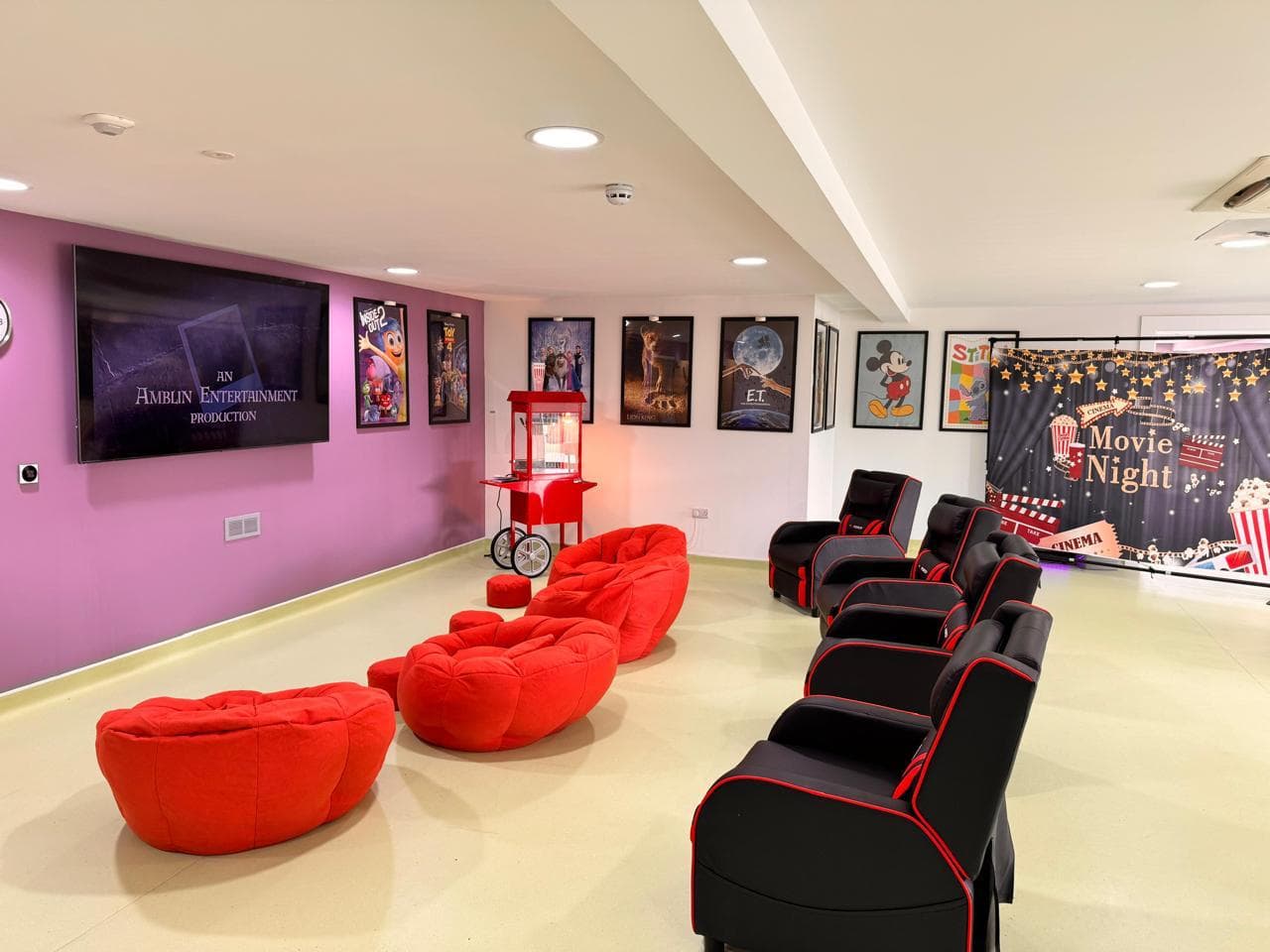
- Have a conversation with us at Every Sensation. Our team includes occupational therapists and sensory specialists, and our purpose-built site in Sutton-in-Ashfield includes a hydrotherapy pool, multi-sensory rooms, soft play and rebound facilities. We see children with and without a diagnosis, and we work alongside NHS teams and schools — not instead of them. There's no obligation; if private therapy isn't the right fit, we'll say so.
You're not failing your child by needing to think about this in cost-benefit terms. You're doing what every SEND parent in 2026 has to do — making the best decision you can with imperfect information and a system that's stretched. We hope this comparison makes that decision a little clearer.
*This guide reflects publicly available NHS waiting time data and private practice information as of May 2026. NHS figures change quarterly — for the most current statistics in your area, your GP surgery and your local ICB are the best sources. Nothing in this article constitutes clinical or legal advice; if you need either, speak to your GP or to IPSEA.*